HOW SAUVIGNON BLANC FOUND ITS SWAGGER
One wine that I don’t often get the chance to discuss is our Sauvignon Blanc/Semillon
blend from Vogelzang Vineyard in the Happy Canyon of Santa Barbara. As a house
that focuses on Bordeaux varieties, Sauvignon Blanc has always been the grape that
made the most sense for us. However, when we would discuss possible white wines,
we always used to encounter a little bit of a lack of excitement for the variety. In
hindsight, I think this is mostly due to the commodification of Sauvignon Blanc that was
brought about over the last two decades by the huge number of cheap, machine-
farmed, large batch versions of the variety made both in California and New Zealand
that were popularized in the 2010’s.
So when we chose to make an SB based wine (the first vintage was actually 100%
Sauvignon Blanc), I made it my personal goal to try and bring some swagger and
excitement back to the variety. While there are many great SB’s available through out
the world, my biggest inspiration for the variety has always been Merry Edwards
Russian River SB’s that I was able to try during my years at UC Davis and living in the
Napa Valley (2008-2011). Those wines exuded an abundance of tropical fruit, ripe
melon character, and had the richest texture of any SB that I had ever encountered up
to that point. I think I always knew after trying them that if I made an SB, I would want it
to be in that style. But how does one craft a wine in that style?
The first step was choosing the source fruit. Much like the Central Coast, Russian River
ranges from quite cool on the coastal side to quite warm as you travel inland. However,
Sauvignon Blanc is a variety that many people don’t realize makes great fruit in warmer
climates. In fact I would say that most people I have observed who love California SB
tend to dislike true cool climate SB and its typical aromas of boxwood, gooseberry, and
herbs. Second, it was very important to me to find a vineyard that had a planting of the
Musque clone of SB. This clone was once very popular in California, but as the
preferred style moved away from tropical and more towards citrus notes, this clone was
replaced by the much more commonly planted 530 and 01 clones throughout the state.
While I do enjoy those clones as well, I have never found them to quite be able to
present the richness, texture, and passion fruit like aromatics of the Musque. Knowing
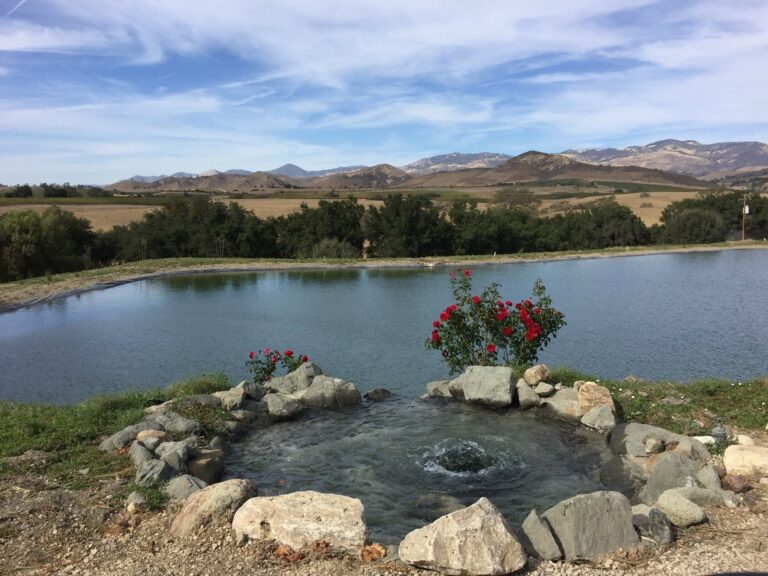
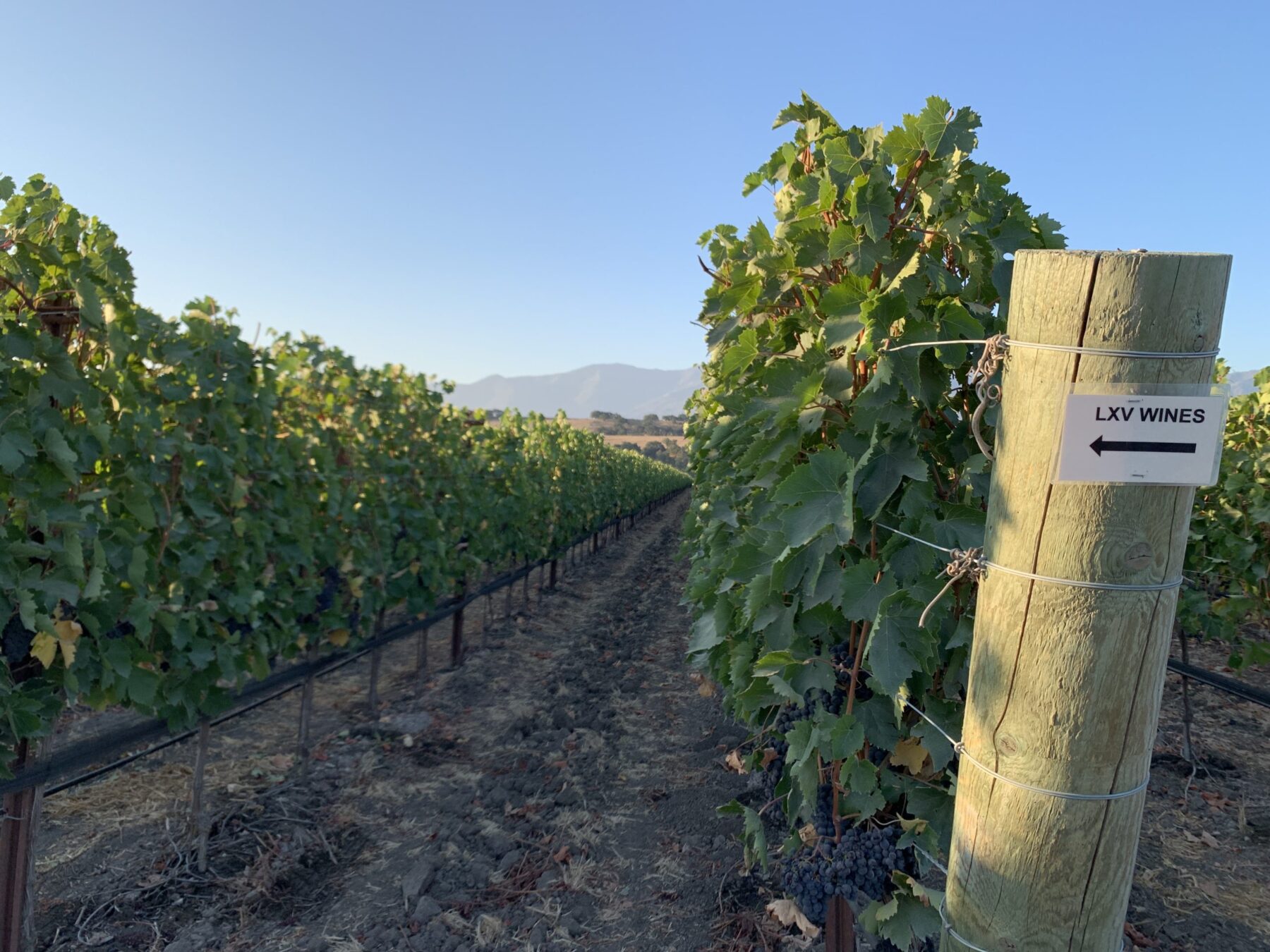
all of these wants, we settled on Vogelzang Vineyard in Happy Canyon as our fruit
source. This offered me the Musque I wanted from a vineyard with a long history of
growing incredible quality SB fruit (just look at Dragonette’s wines as an example of the
consistent quality Vogelzang produces)! During that first vintage, we also observed a
nearby block of Semillon that we would secure a small bit of fruit from in future vintages
to conferment along with the SB.
But having great fruit alone isn’t enough to ensure that you have an exceptional bottle of
wine at your table. I also had to make sure I didn’t mess it up in the cellar! To that end,
I leaned into some techniques I have observed used in European white wines across
the aromatic spectrum, from acidic Burgundian Chardonnays to racy Portuguese
Verdelhos to the floral and complex Torrontes do Pico fermentations in the Azores. The
key of these being barrel fermentation, which integrates oak early, keeps ferments
happy, and allows us to keep them on lees until bottling with regular battonage to
ensure that we have incredible texture to go along with incredible aromatics. And at the
end of the day, I think the combination of all of these factors has really allowed LXV to
produce on of the most complex, expressive, and rich Sauvignon Blancs out there!
So now you know what I mean when I saw we tried to “bring the swagger back” to
Sauvignon Blanc!