What is pruning and why is it necessary for the development of quality grapes?
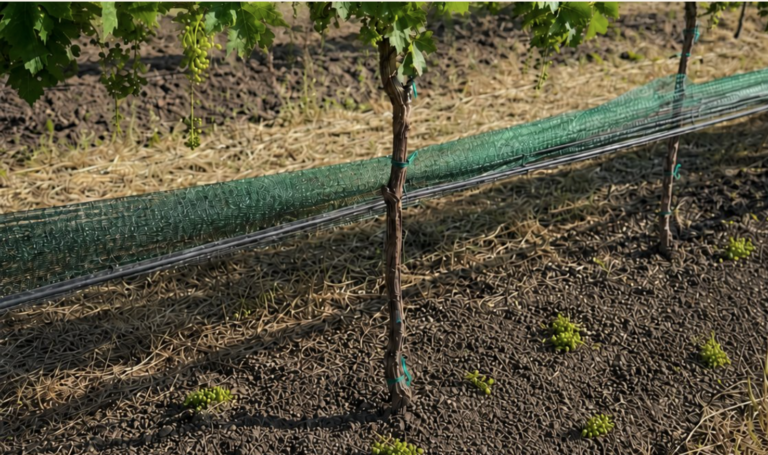
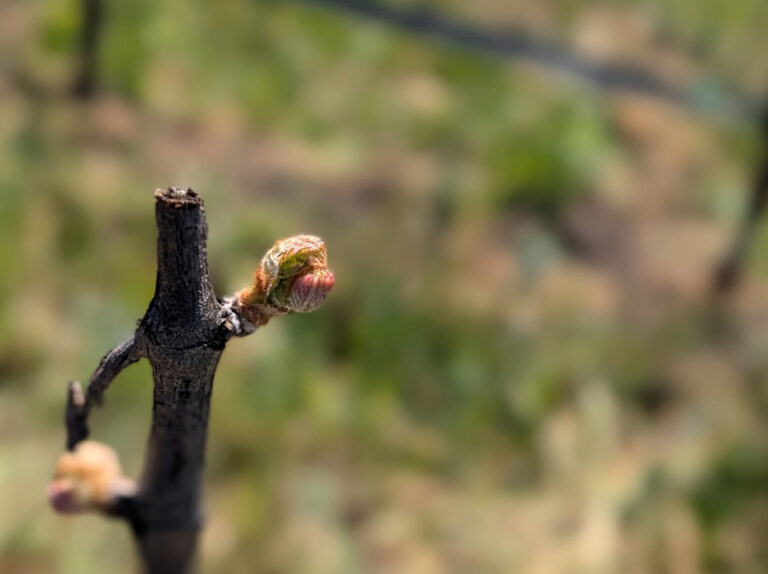
Pruning is a human intervention technique applied to grapevines to promote fruit production rather than excessive wood growth. It involves the removal of specific parts of the vine, such as canes and spurs, to achieve a balance between canopy growth and fruit production. Pruning serves several crucial purposes, including establishing vine architecture, creating a favorable microclimate around the fruit, facilitating treatments and harvest, and ensuring the long-term health of the vine.
What is the style of pruning implemented at Armaa.N and why was this method chosen?
At Armaa.N, the vineyard team has chosen to implement cane pruning, specifically a mixed guyot method with sap flow consideration, also known as poussard pruning. This method involves using a spur on one side and a cane on the other. The decision to adopt this technique was influenced by the young age of the vineyard, emphasizing the need to build a strong vine architecture for the future.
How does this method compare to traditional methods?
Contrary to what some may perceive as a new approach, the mixed pruning technique employed at Armaa.N is, in fact, a traditional method. The first mention of poussard pruning dates back to 1921, as documented in a book by Laffon. The mixed pruning technique itself is much older and has been practiced for many years. Frederick learned it from Michel Duclos, a renowned figure in the industry. The main distinction between mixed pruning and the more common double cordon (double guyot) method is the inclusion of a spur, which ensures the growth of a strong shoot for future pruning. As the vineyard matures, LXV Winery may modify the pruning technique to suit the vigor of the vines.