Paso Robles Guides
Indian-American Owned Wineries in California
Eleven California wineries and wine brands founded or owned by people of Indian origin — where they are, what they make, and…

Paso Robles Wine Guides
The Willow Creek District lies on the west side of Paso Robles, a landscape of rugged terrain, marine influence, calcareous soils, and small, particular vineyard sites. It is among the region’s most distinctive quarters for wines that manage concentration and freshness in the same sentence.
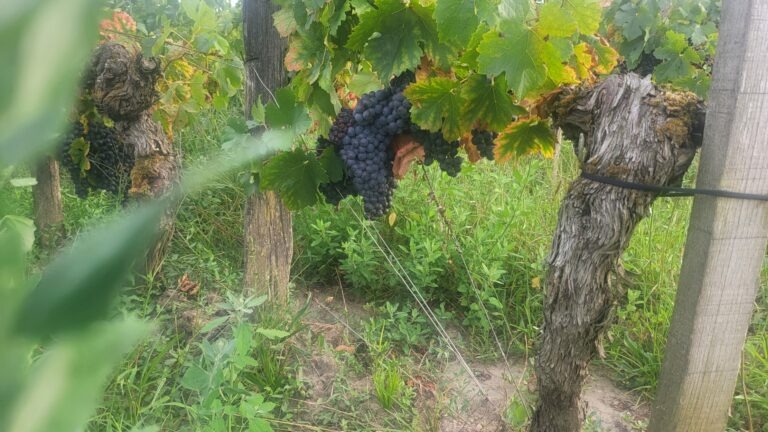
Willow Creek is nobody’s idea of a flat, obliging field. Vineyards here climb hillsides, ridges, benches and narrow valleys. Elevation and aspect decide how much sun a site gets, how fast it warms and where the wind goes. Even neighbouring blocks may ripen on entirely different schedules, like relatives who cannot agree on dinner.
Cool air slips through gaps in the coastal mountains and tempers the warmth of the west side. The days remain sunny and dry, yet the evenings often cool with real conviction. This lengthens the growing season and allows the grapes to hold their acidity while developing flavour and tannin at a more civilised pace.
Many Willow Creek vineyards rest on calcareous, limestone-influenced soils that drain well and politely refuse the vine excessive vigour, sending its roots deep instead. The relationship between soil and wine is famously complicated, but growers tend to associate these sites with structure, freshness, and a firm mineral impression, the vinous equivalent of good posture.
Willow Creek is closely tied to Rhone varieties such as Syrah, Grenache, and Mourvedre, yet it also yields compelling Cabernet Sauvignon, Cabernet Franc, Sangiovese, and more when the grape is matched thoughtfully to the site. Its strength was never one famous grape. It is ripeness, wind, elevation and soil working together, so a wine can be intense and precise at the same time.
Armaa.N, LXV’s estate vineyard, sits in the heart of the Willow Creek District and forms a central chapter of the House of Mittal story alongside MESO by LXV and Maison Mittal. Farmed organically and regeneratively across southwest-facing, limestone-rich slopes under a marine-influenced sky, it is planted to clones of distinction, among them To Kalon Cabernet, Brunello Sangiovese, and Loire Cabernet Franc. The vineyard is the setting for LXV’s vineyard-focused experiences, where the ambition is not merely to describe soil and climate but to let guests watch those conditions become texture, aroma, and structure in the glass.
Styles vary by producer and by site, but a great many Willow Creek wines show dark fruit, savoury depth, spice, and generous structure held in check by freshness. Syrah may offer violet, pepper, smoke, and dark fruit; Cabernet may speak of cassis, herbs, graphite, and firm tannin; Sangiovese may fold ripe cherry into acidity and earth. The district rarely repeats itself, which is precisely its charm.
When you taste a Willow Creek wine, ask about the slope, the soil, the wind, the harvest date. Never apologize for being curious. Better still, compare an estate wine with one grown somewhere warmer or flatter. Two glasses side by side will teach you more in a minute than any technical description can manage in a paragraph.
The Willow Creek District cannot be reduced to a single flavour, and it would be poor company if it could. Its identity springs from variation within a recognisable frame: hills, marine air, calcareous soils, and thoughtful farming. The finest wines here manage generosity and restraint at once, which is no small part of why the district has become so central to the modern identity of Paso Robles.
Eleven California wineries and wine brands founded or owned by people of Indian origin — where they are, what they make, and…
Why Cabernet Franc stays perfumed at full ripeness in Paso Robles, the twenty-plus wineries that make it well, and Cab Franc Masters,…
Which Paso Robles wineries serve a full menu, which pair food with every pour, and how to book each. Twelve kitchens, ten…