
Paso Robles Wine Guides
How Spice Changes the Way We Taste Wine
Here is something we show guests every day. The same wine, from the same bottle, in the same glass, tastes different after a bite of cheese or a pinch of spice. Nothing about the wine changed. You did. This is the simple science behind our tasting, and how to try it in your own kitchen.
Most of what you taste is really smell
Your tongue picks up only five things. Sweet, sour, salty, bitter and umami. Everything else you call flavor, the cherry, the cedar, the pepper, is smell. So when a spice brings in citrus, flowers, smoke, coffee or herbs, it pulls your attention toward the same note that was already sitting in the wine.
Spice can amplify or redirect perception
A wine holds a lot of aromas at once, and your brain notices only a few of them. Orange peel makes the citrus jump out. Coffee brings up roast, cocoa and dark fruit. Coriander brings out freshness. Lavender pushes the perfume forward. Tamarind or sumac makes the wine feel tarter and livelier. The glass is the same. Your attention moved.
Salt changes bitterness and fruit
Salt may be the most useful tool of all. It turns down bitterness, so the fruit that was always there finally gets through. That is why a plain cheese or a lightly salted bite can change a tannic red without touching a drop of it. The chemistry of the wine is the same. What changed is how you perceive it.
Fat and protein soften structure
Cheese brings fat, protein and texture, and all three soften the drying grip of tannin. In our tasting we use local sheep’s milk cheese as the steady base. Wine alone. Wine with cheese. Wine with cheese and spice. Three steps, and the change is clear enough that nobody needs a sommelier’s vocabulary to describe it.
Heat is only one kind of spice
Chile heat makes alcohol feel hotter and tannin feel harsher, especially in a really fiery dish. But most spices have nothing to do with heat. Fennel is sweet and herbal. Cardamom is floral and cooling. Sumac is sour. Hibiscus is fruity and tart. Pink peppercorn is fragrant with a little bite. A good blend uses those qualities to shape the wine, not to set your mouth on fire.
Memory also changes taste
Smell and memory are tied together. For me, cardamom is chai and the sweets of my childhood in India. For someone else coffee means breakfast, or a trip, or dessert. That is why two guests sitting side by side can describe the same pairing in completely different words, and both be right.
How to experiment at home
Pour one wine into two glasses. Taste the first on its own. With the second, take a small bite of mild cheese and try one spice at a time. Start with salt, then citrus peel, coriander, pepper, fennel or sumac. Notice whether the wine gets fruitier, brighter, softer, more bitter or more fragrant. There is no right answer. Just pay attention.
Spice is a language for wine
Tasting notes can feel abstract, and sometimes a little snobby. Spice makes flavor something you can hold in your hand. Instead of being told a wine has floral lift or savory depth, you taste it appear, and then fade. That is the whole idea behind the LXV Spice Method. Spice has always been my language, and it turns out to be a good one for wine. Come try it with us on Pine Street.
From our cellar Welcome back
Pour one while you read
-
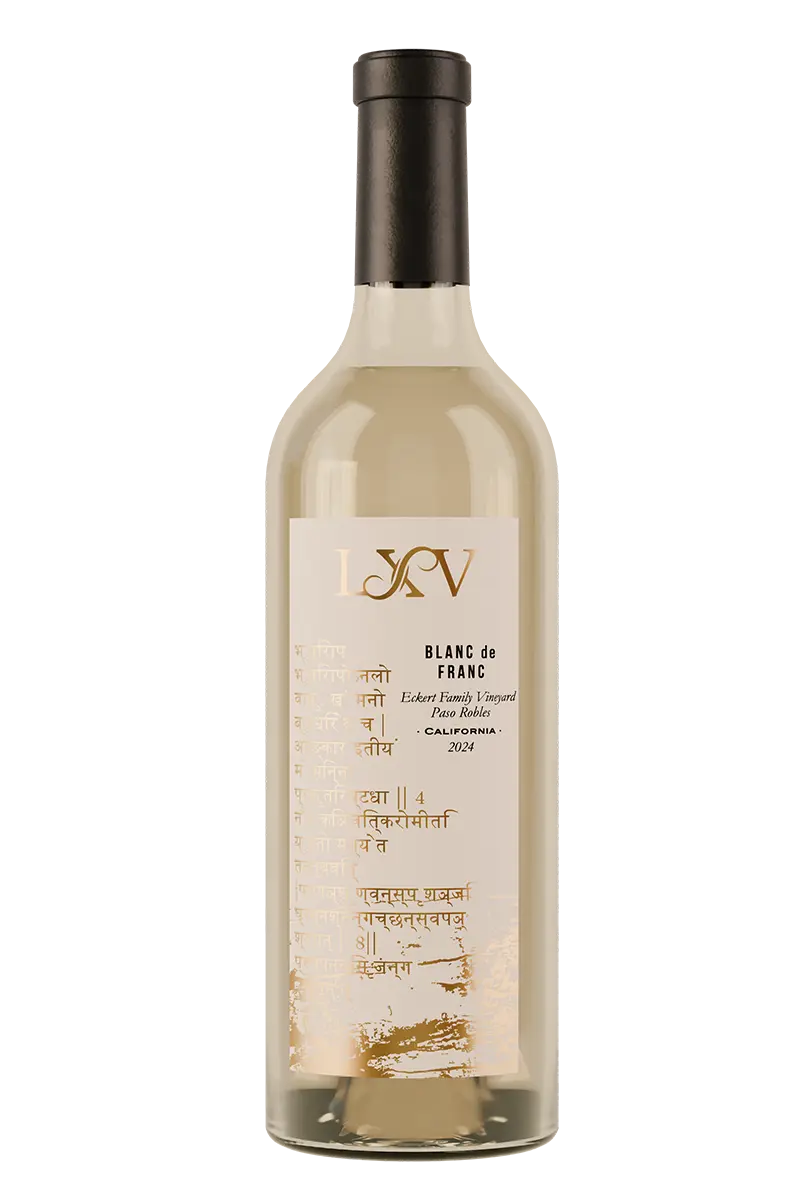
2025 Blanc de Franc $70.00 Add to cart
Keep Reading
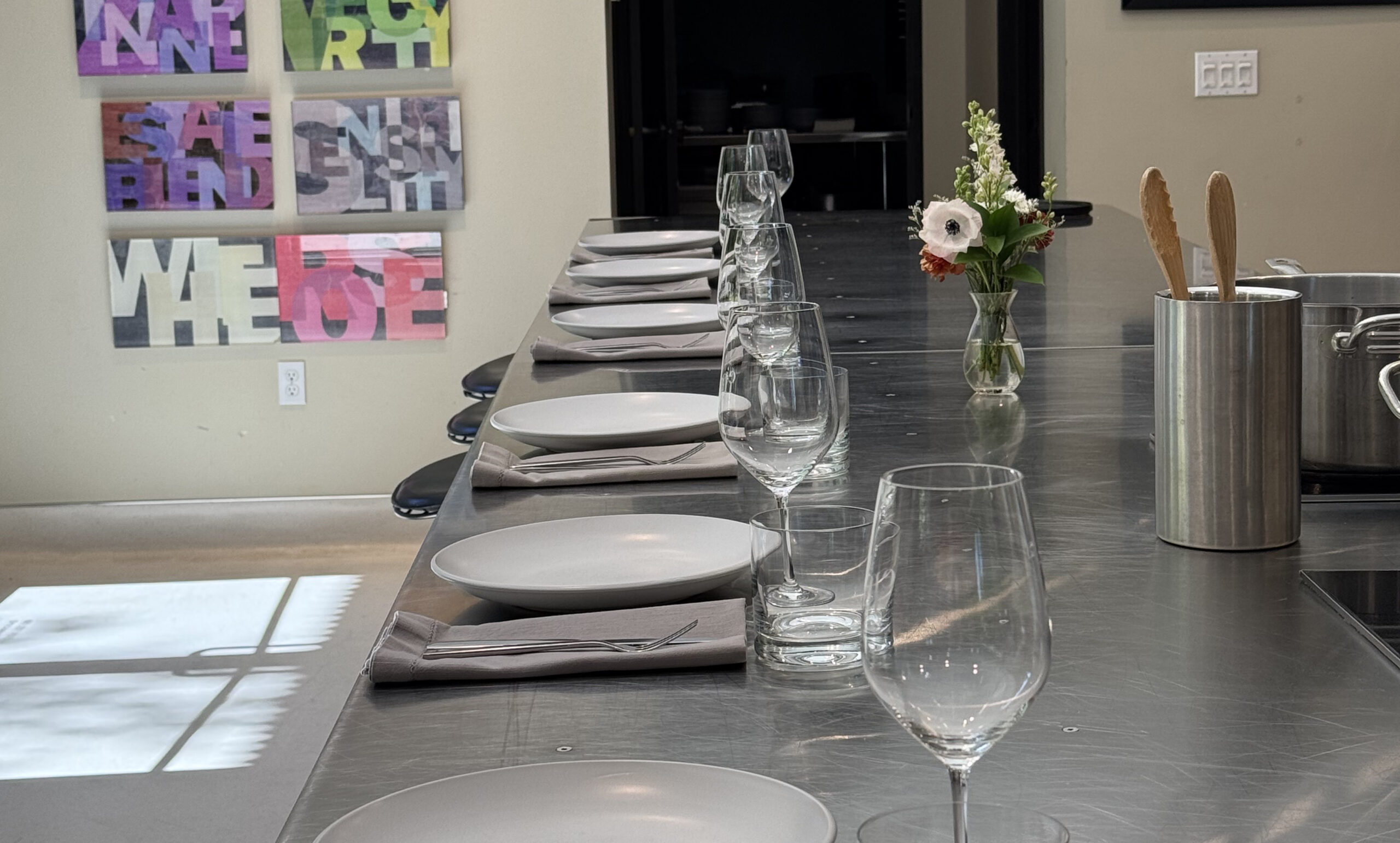
Seated, Guided Wine Tastings in Paso Robles
Eighteen seated, host-led Paso Robles tastings compared — price, duration, party-size cap and reservation policy, read from each winery's own site in…
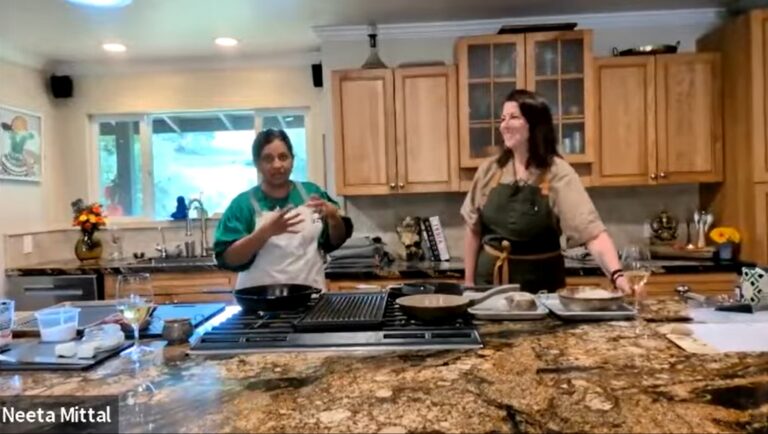
A Paso Robles Winemaker’s Guide to Wine & Food Pairing
How we pair wine and food at LXV. Match the weight first, then use acidity, tannin, salt and spice aroma. Practical examples…
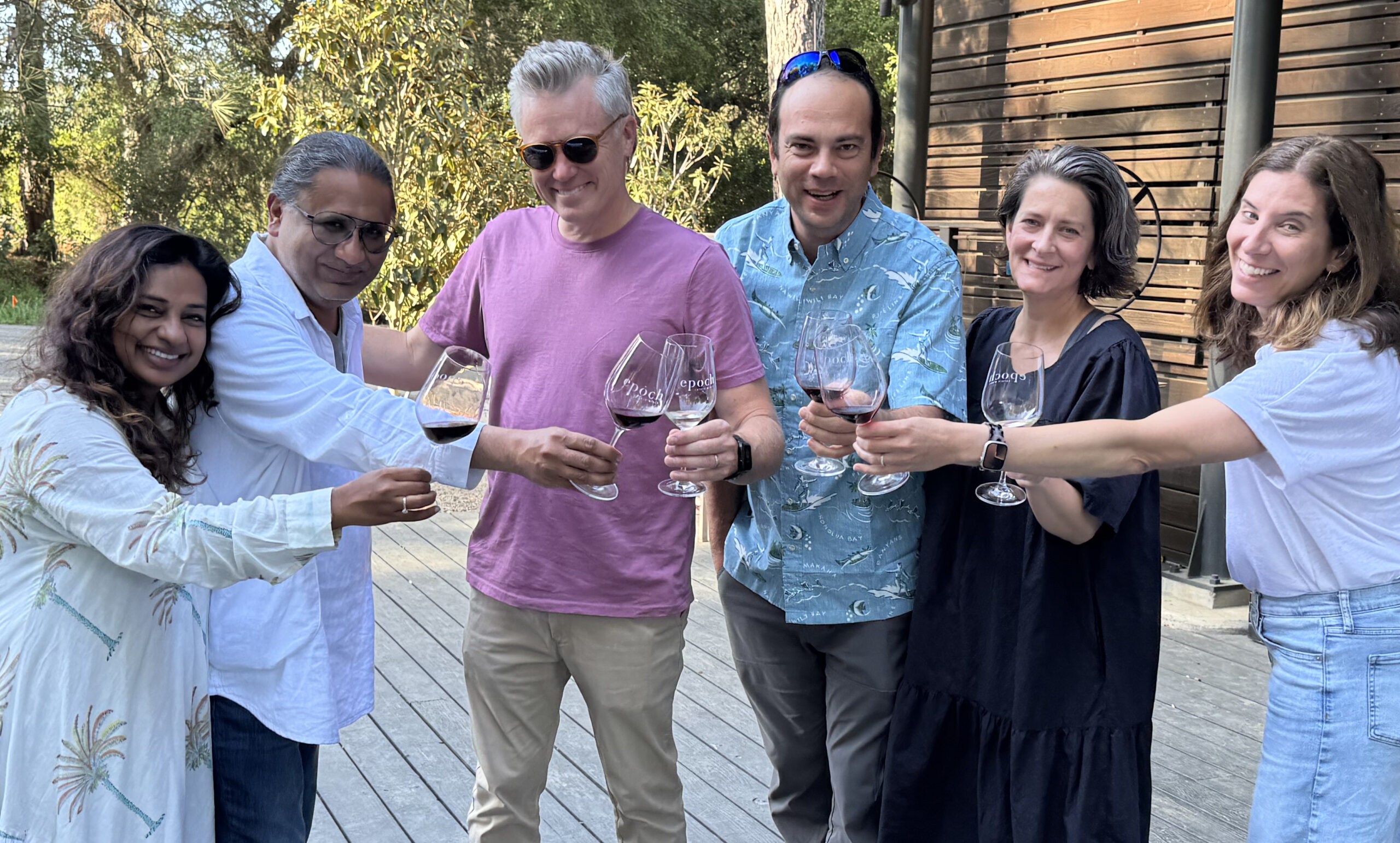
Paso Robles Wineries for Small Groups
Which Paso Robles wineries take which group size, what they charge, which have private rooms with published capacities, and which accept limos…