Paso Robles Guides
Indian-American Owned Wineries in California
Eleven California wineries and wine brands founded or owned by people of Indian origin — where they are, what they make, and…

Paso Robles Wine Guides
Cabernet Franc is forever being introduced as somebody’s parent or somebody’s supporting player. Given the right site, however, it is perfectly capable of stealing the scene: aromatic, savoury, structured, and full of nervous energy. Paso Robles offers a remarkable range of conditions, and Paso Robles Cabernet Franc can therefore wear a remarkable range of expressions.
The whole drama of Cabernet Franc is balance. Picked too early, it turns aggressively herbal and lean; picked too late, it forfeits the floral lift and freshness that make it worth the trouble. Paso Robles lends generous sunlight for flavour, while cooler nights across many districts guard the acidity and aromatic detail, so the grape may ripen without ever quite losing its composure.
The gulf between daytime and nighttime temperatures is among Paso Robles’ most valuable growing conditions. Warm afternoons coax the fruit toward ripeness; cool evenings slow respiration and preserve acidity. For Cabernet Franc this can mean ripe dark and red fruit arriving alongside violet, dried herb, pepper, graphite, and a savoury undertone, rather than mere sweetness, which any grape can manage and few can resist.
Paso Robles is not one climate but a committee of them. Elevation, slope, soil depth, wind, and the distance to the coast all have opinions about the grape. A warmer site may emphasise plum, black cherry, and a broader texture; a cooler or wind-brushed site leans toward red fruit, herbs, florals, and firmer structure. Limestone-rich, calcareous soils tend to lend tension and shape, while other sites offer a rounder, more openly generous style.
Part of Cabernet Franc’s rising fashion is its sheer sociability at the table. It carries enough tannin for lamb or beef, yet its herbal, floral disposition is equally at ease with mushrooms, peppers, tomatoes, lentils, grilled vegetables, and spice-driven cooking. It is, in short, rather more nimble than its heavier parent, and considerably better at making conversation.
Cabernet Franc all but invites aromatic pairing. Coriander echoes its citrus and herb; black pepper shakes hands with its savoury edge; sumac sharpens the red fruit; fennel and cardamom draw out the floral lift. At LXV, the wine-and-spice method reveals these dimensions one at a time, altering a single element and then tasting the wine again, so that the grape confesses its secrets in an orderly fashion rather than all at once.
Look for balance between fruit and savoury character, tannin that lends shape without seizing control, and enough acidity to keep the finish fresh. Ask whether the wine is a single-vineyard bottling or part of a blend, how much new oak was permitted, and what the producer was trying to protect: perfume, structure, richness, or the ambitious pursuit of all three at once.
Paso Robles is celebrated for Cabernet Sauvignon and Rhone varieties, yet Cabernet Franc grows ever more important precisely because it speaks so plainly of its site. Its finest examples are not smaller Cabernet Sauvignons wearing a borrowed coat; they are fragrant, layered wines with a rhythm entirely their own, capable of feeling serious and unexpectedly graceful in the very same breath.
Kunal and I are often asked which other wineries to try, and we answer gladly. A region earns a reputation for a grape together, not one tasting room at a time. These are the Paso Robles producers pouring Cabernet Franc that we would put on a table next to ours, most of them familiar faces from Cab Franc Masters, the event we host every December.
Twenty-plus producers of one grape in one appellation is not a coincidence. It is a signal.
Every December we bring the appellation’s Cabernet Franc into one room. Cab Franc Masters is the fourth year running in 2026: Sunday, 6 December 2026, at the Cass Event Center, 7350 Linne Road, Paso Robles. Morning seminars led by the winemakers, a tasting of Cabernet Franc from around the world so you can hear the Paso Robles accent clearly, food pairings, then a grand tasting with 25 or more Paso Robles Cabernet Francs poured by the people who made them. Tickets start at $85 for the grand tasting and $125 for the full day.
LXV organises it, and more than twenty wineries make it what it is. Riedel and Travel Paso have stood with us as partners. If you want to understand this grape in this place in a single afternoon, this is the afternoon. Programme, wineries and tickets are at cabfrancmasters.com.
Increasingly, yes. Cabernet Sauvignon and the Rhône grapes built the reputation, but more than twenty Paso Robles wineries now bottle Cabernet Franc on its own, and the appellation has had its own Cabernet Franc event, Cab Franc Masters, since 2023. The grape ripens here without losing its perfume, which is the whole argument.
LXV and Dracaena are the two houses built around the grape. Adelaida, Ancient Peaks, Brecon Estate, Field Recordings, Union Sacré and Le Vigne make serious bottlings alongside their other wines, and DAOU, JUSTIN, J. Lohr, Austin Hope and Robert Hall each pour one. The list above links to every one of them.
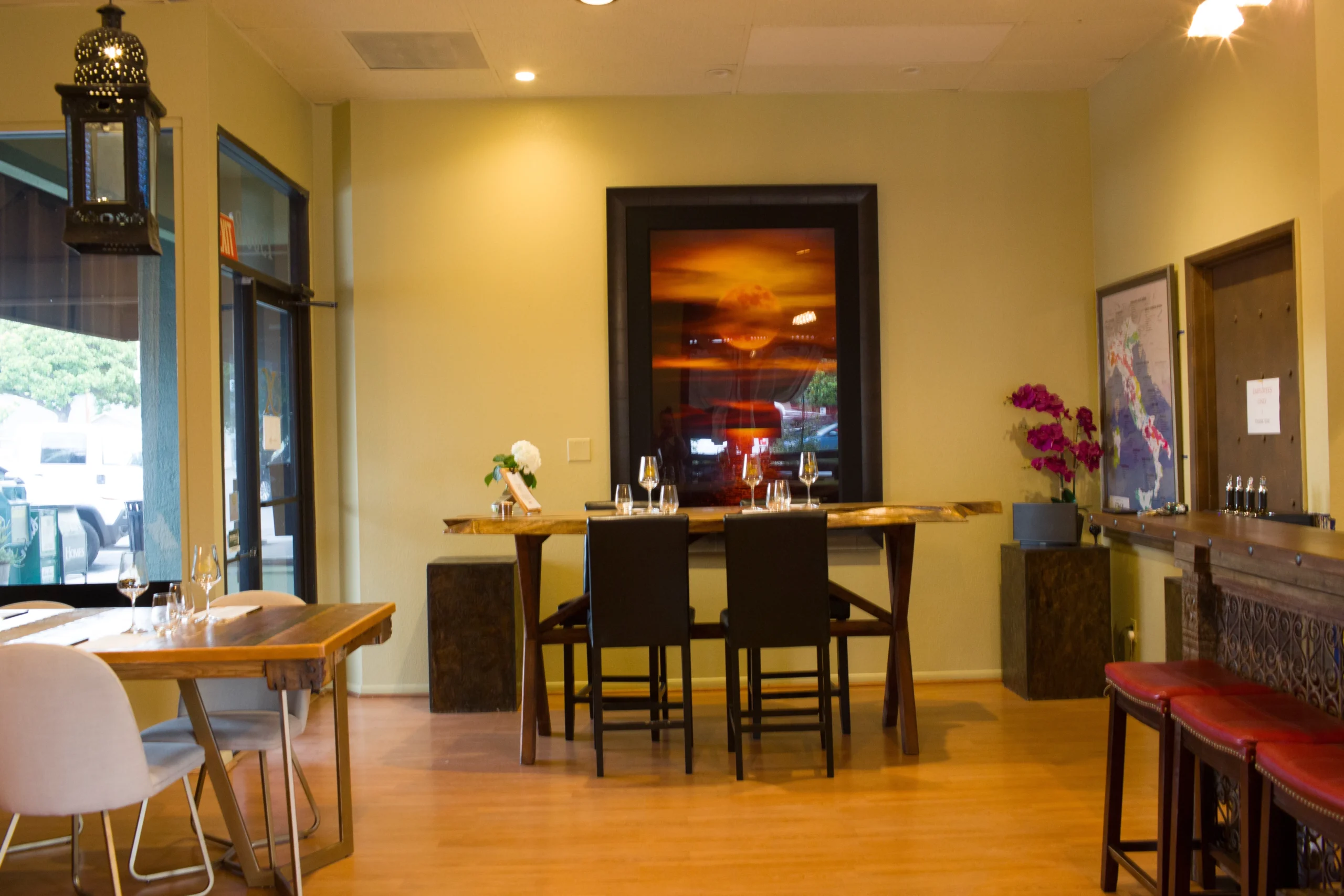
At our downtown tasting room, where the seated A Study in Cabernet Franc tasting pours our Cabernet Francs side by side with spice pairings; at any of the producers named above; and once a year at Cab Franc Masters, where 25 or more Paso Robles Cabernet Francs are on one floor.
Ripe red and black fruit with violets, dried herbs, black pepper and a graphite, savoury edge. Warmer sites give plum and a broader texture; cooler, wind-brushed sites give red fruit, florals and firmer tannin. The night-time cold is what keeps it fresh.
Lamb and beef for the tannin, but the grape’s herbal side is just as happy with mushrooms, peppers, tomatoes, lentils and anything cooked with coriander, black pepper, sumac or fennel. It is the most sociable red we make.
Sunday, 6 December 2026, at the Cass Event Center in Paso Robles. Seminars in the morning, the grand tasting in the afternoon. Tickets and the winery list are at cabfrancmasters.com.
Eleven California wineries and wine brands founded or owned by people of Indian origin — where they are, what they make, and…
Ten downtown Paso Robles tasting rooms you can walk between, sorted by what you want: food pairings, Cabernet, Rhône or a bar.…
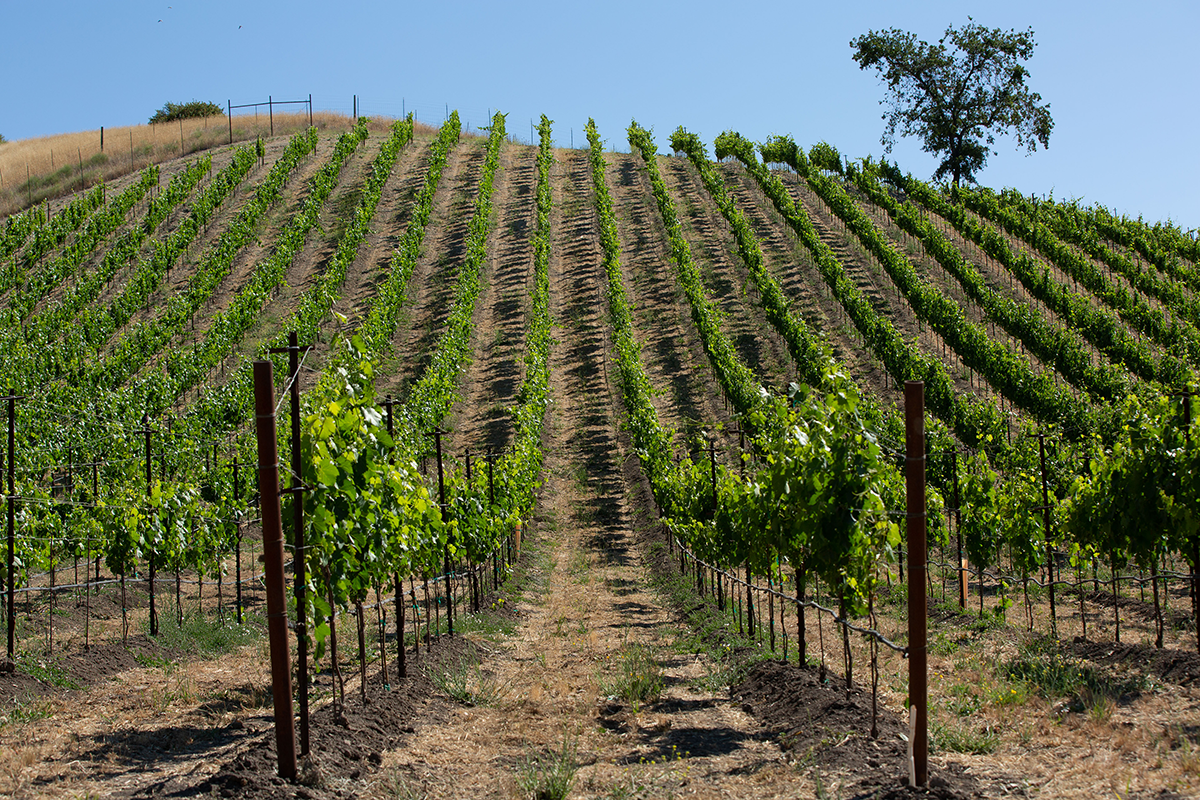
Rugged hills, Pacific air and limestone. This is where we planted Armaa.N.